
Tailwind Weekly #212: Maizzle 6 beta is here, JavaScript in 2026, and breakpoint mistakes to avoid 🔥
Hello folks!
No major news from the Tailwind Labs team, but the creator of Maizzle has been working on v6 like a madman for the last few weeks! I use Maizzle on a few projects, and I can't wait to upgrade once the stable release is out.
Now, onto the issue 👇🏻
🌟 News
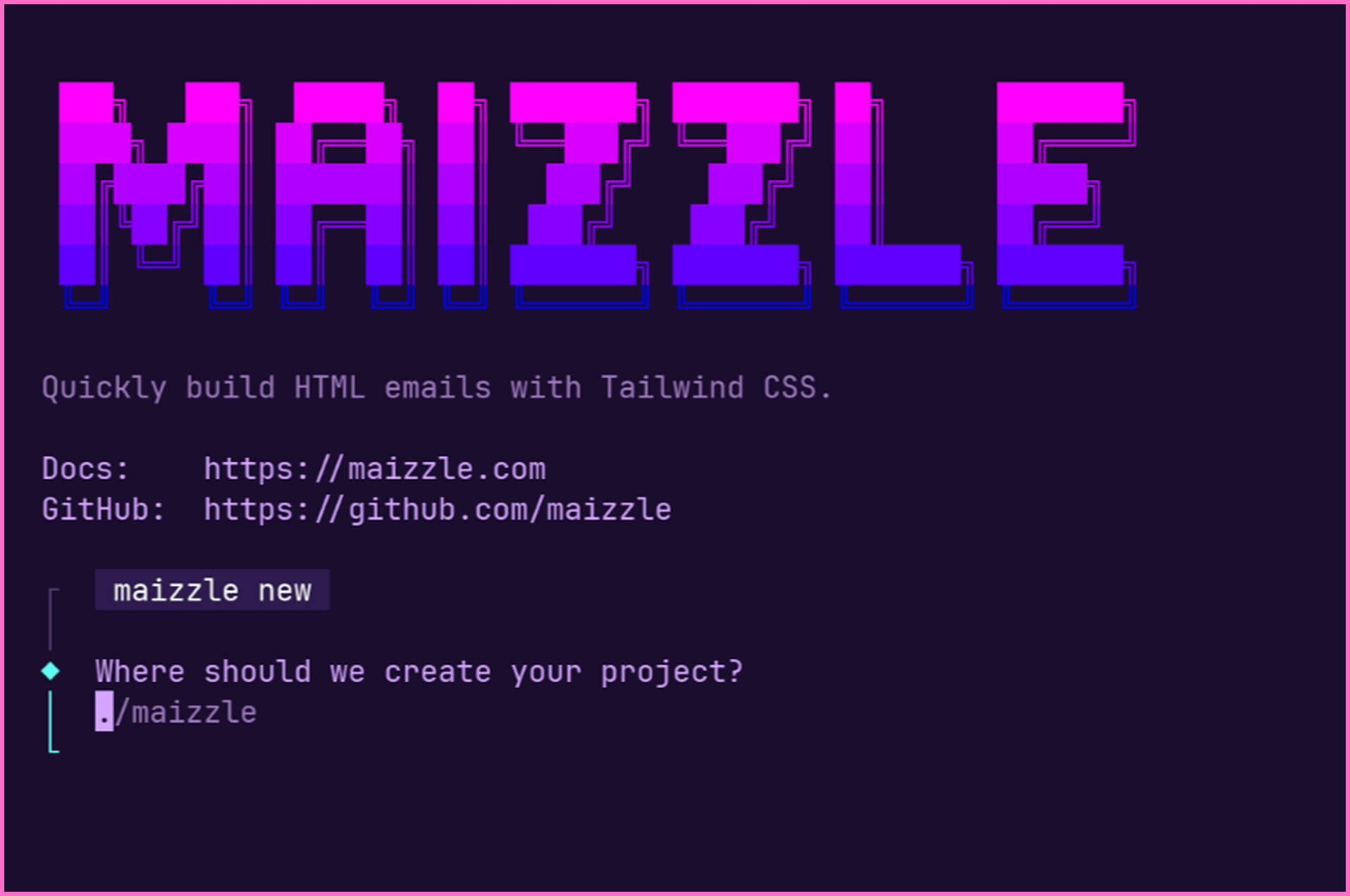
Maizzle 6 beta just dropped and it's a full-on rewrite of the framework you use to build HTML emails with Tailwind CSS. We're talking Vite for the build system and dev server, Vue templating with SFCs (so much better DX, and bonus: LLMs will handle it way better too), Tailwind CSS 4 support, and a revamped dev UI that even lets you send actual test emails right from the browser.
The coolest part? You can now use Maizzle as a Vite plugin in your existing projects, and it even auto-configures itself if you're running it inside a Laravel app. There's also a bunch of new built-in components like <Html>, <Container>, <Row>, <Column>, <Image> (with dark mode swapping!), <Heading>, <Text>, and <Markdown>. Heads up though, it's not backwards-compatible, so spin up a fresh project with npx maizzle new and pick the "Maizzle 6 (beta)" starter to play with it. Cosmin's been shipping RCs daily so expect things to keep getting polished fast!
🤩 Windy Picks
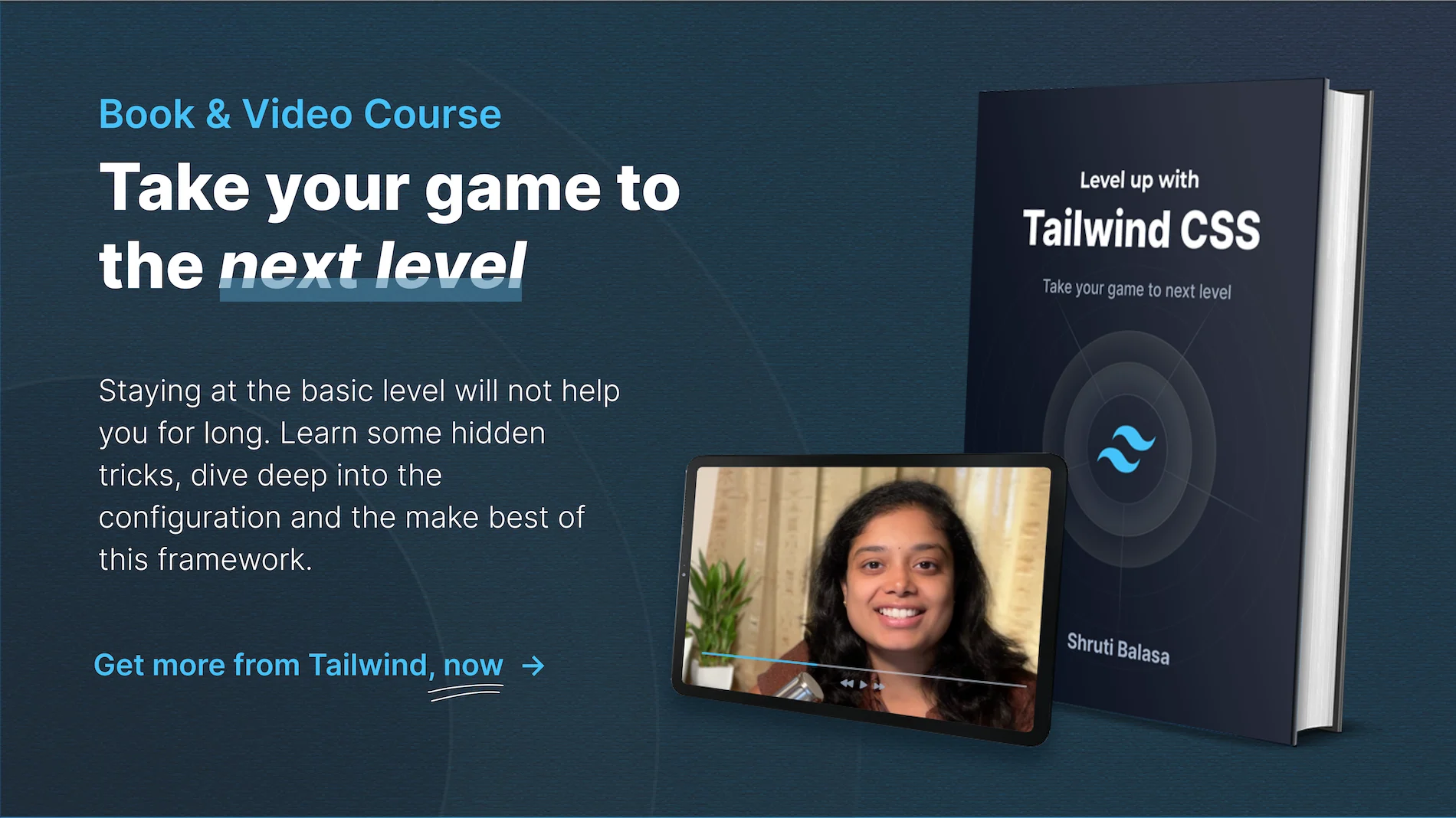
AI can write Tailwind faster than you can, but only if you know enough to catch it when it's wrong. Shruti Balasa's "Level up with Tailwind CSS" is the book to get you there.
It fills in the gaps most devs don't realize they have: arbitrary values and variants, the full modifier system, @apply and @variant, custom theme config, plus a bunch of hidden gems that rarely make it into tutorials. Exactly the kind of knowledge that turns "why is the AI doing this?" into a two-second fix.
You can grab the eBook on its own ($33) or bundle it with the video course ($59).
📚 Learning

What To Know in JavaScript (2026 Edition)
If you've been too deep in CSS land lately (guilty 🙈), Chris Coyier put together a massive state-of-JS roundup that'll get you caught up fast. It covers everything new in ES2025 (iterator helpers, set methods, RegExp.escape(), import attributes) and what's landing in ES2026 like the Temporal API, explicit resource management with using, and Error.isError(). But it goes way beyond the language itself. there's solid commentary on the React/Vue/Svelte ecosystems, the Node vs Bun vs Deno runtime scene (including Anthropic's Bun acquisition), Vite v8's shift to Rolldown, TypeScript v6 prepping for the Go-based v7 compiler, and the wild npm supply chain disasters from last year.
Your options for preloading images with JavaScript
Turns out there are 5 different ways to preload an image in JavaScript, each with their own quirks: new Image(), <link rel="preload" />, a hidden <div> with a background image, the Cache API, and plain old fetch(). Alex MacArthur walks through each one with real examples, explains when caching headers like no-store can break your assumptions, and shares why <link rel="preload" /> ended up being his pick (spoiler: it bypasses the HTTP cache entirely and uses a dedicated preload cache). A really handy reference to bookmark for the next time you need to preload something and want to pick the right tool for the job.
The Too Early Breakpoint
You know that feeling when you resize a browser window and the layout suddenly collapses into its mobile version way before it needed to? Ahmad Shadeed calls this the "too early breakpoint" and he makes a really solid case for why it's a problem. He breaks down real examples from Time.com and TechCrunch where the hero sections switch to full-width mobile layouts while there's still plenty of horizontal space to work with, making the design look awkward and unfinished. He also covers all the edge cases where this matters: resizing browsers to multitask, split-screen views, tablets, and even iOS link previews. His advice is practical: add more breakpoints in between, design with container queries in mind, and lean on Grid and Flex to make layouts dynamic at their core.
💅 Showcase
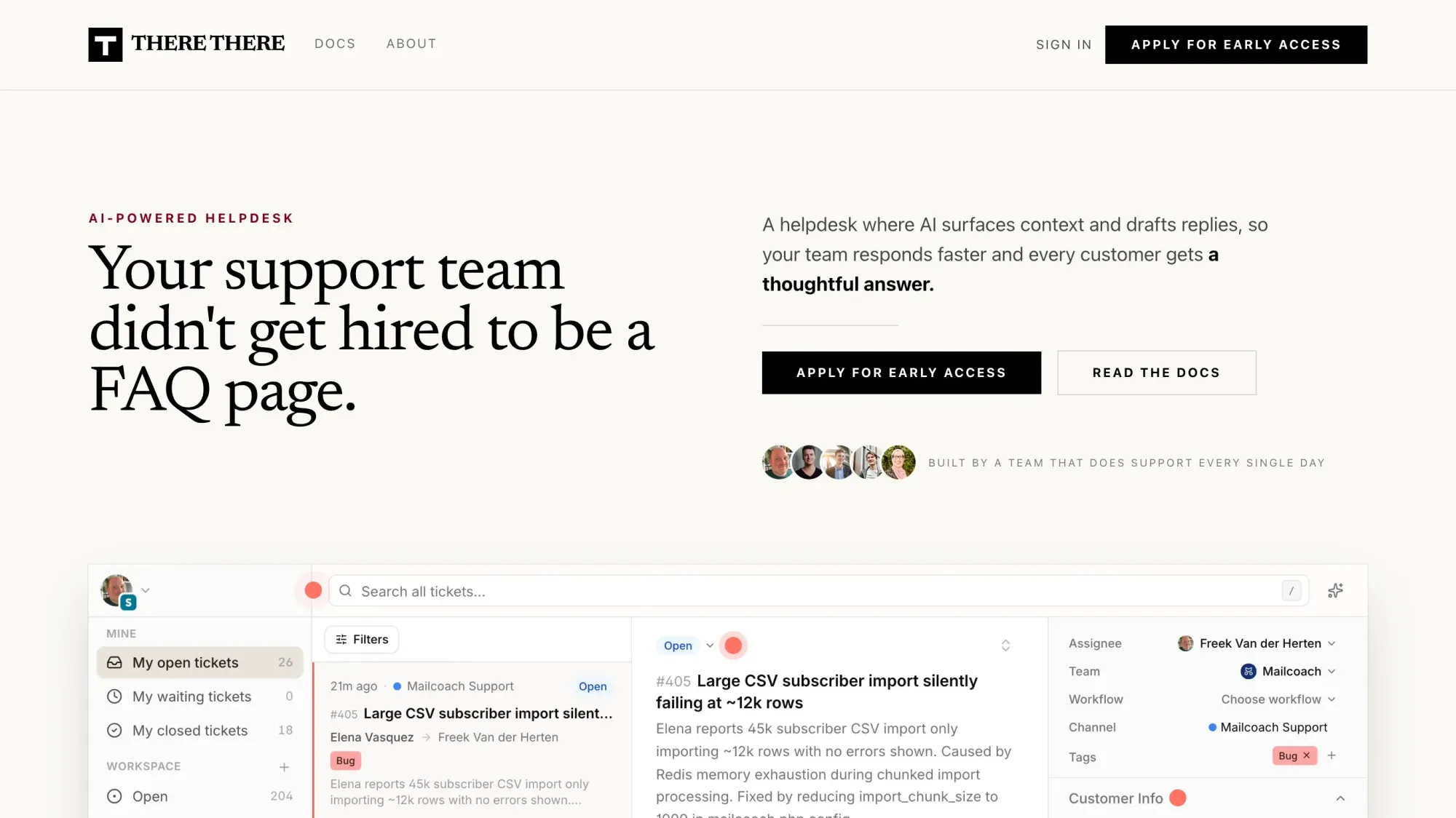
ThereThere
There There is a new AI-powered helpdesk built by the team behind Spatie (yes, the folks that built Flare, Mailcoach and Ray). Instead of bolting AI on as an afterthought, every ticket gets vectorized so the AI has full context of your conversations, docs and past tickets when drafting replies. You also get a clean, real-time interface, custom sidebars for customer data, MCP support to pull in context from your own tools, and workflows to automate the repetitive stuff.
🎁 Resource
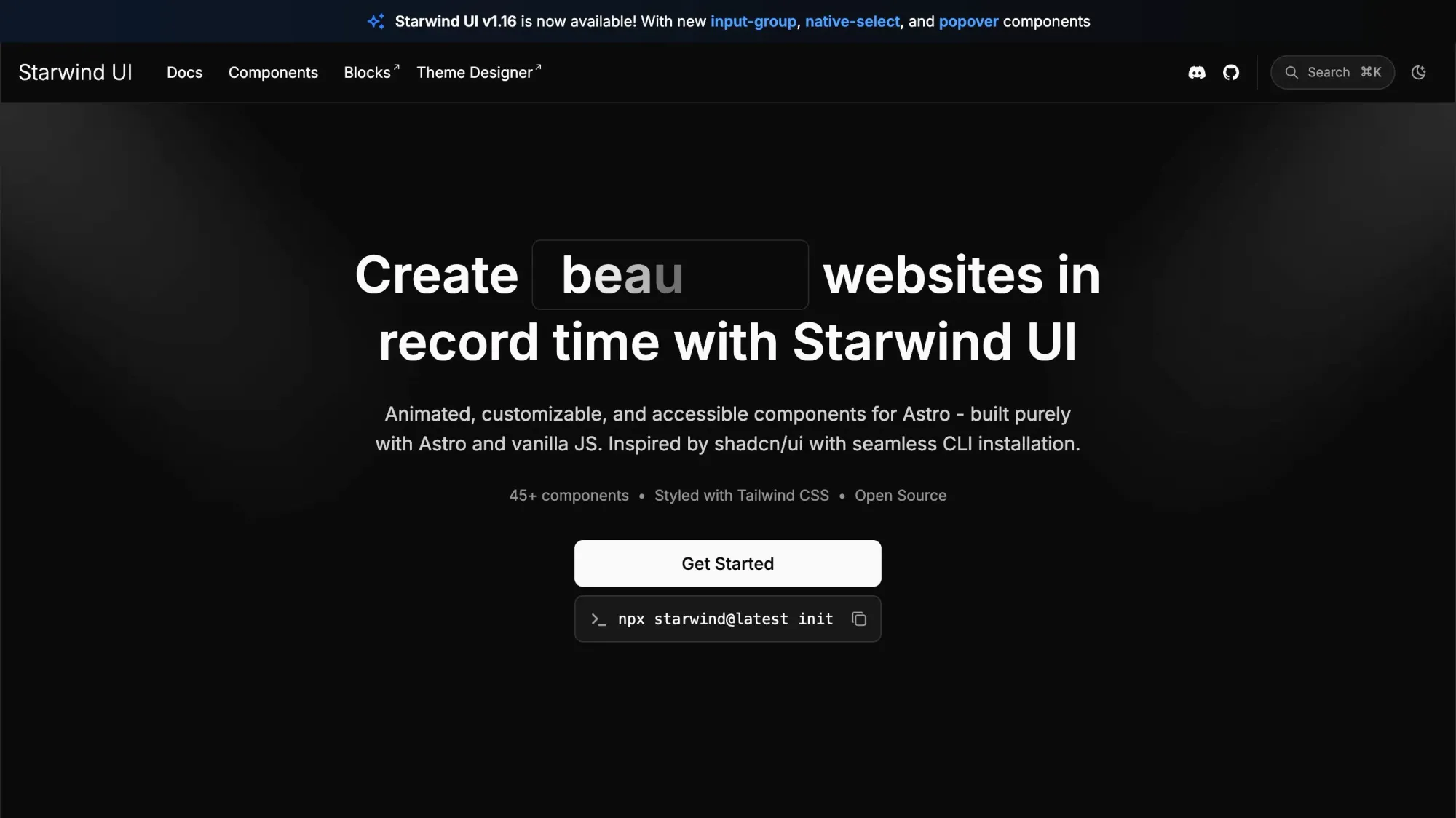
Starwind UI
Starwind UI is built specifically for Astro and comes with 45+ animated, accessible components styled with Tailwind CSS. It's heavily inspired by shadcn/ui, so you get that same seamless CLI experience, just run npx starwind@latest init and start dropping components into your project.
👌 Cool Stuff
Windybase - Explore weekly curated free & premium Tailwind templates, components and tools to help you build modern websites and apps fast.
Zoneless – An open-source, Stripe-compatible payouts stack for marketplaces, paying sellers globally in USDC with near-zero fees.
Instagit – Gives AI agents instant read access to any GitHub repo, with exact file paths and line numbers.
ArkRegex – A type-safe wrapper for new RegExp() that infers capture types, matches native syntax, and adds zero runtime.
Do you want to share something with the Tailwind CSS community?
You can submit a link or message me on Twitter @vivgui.
Want to support the newsletter? You can buy me a coffee with this link 😁.

Discussion